Why Does My Dog Breathe Fast? 5 Reasons and When to Worry
This post contains affiliate links. I may earn a commission if you make a purchase at no extra cost to you.
Chance was sprawled out on the couch one afternoon, and I noticed his chest was going a mile a minute. He wasn’t panting — just breathing fast, almost like he’d been running. He hadn’t moved in an hour. I sat there watching him, trying to figure out if this was something I needed to call the vet about or if I was just being an overprotective dog mom. If you’ve been asking yourself why does my dog breathe fast, I’ve been there — and I have answers.
If you’ve ever noticed your dog breathing fast and wondered whether to worry, you’re not alone. It’s one of the most common things dog owners panic about — and the answer is almost always somewhere between “totally normal” and “worth a closer look.”
Quick Answer
So why does my dog breathe fast? Most of the time, it comes down to exercise, heat, excitement, or sleep, which can all cause rapid breathing. However, fast breathing at rest, accompanied by pale gums, lethargy, or labored effort, can signal something that needs a vet visit.
My Experience With Chance and Mercy
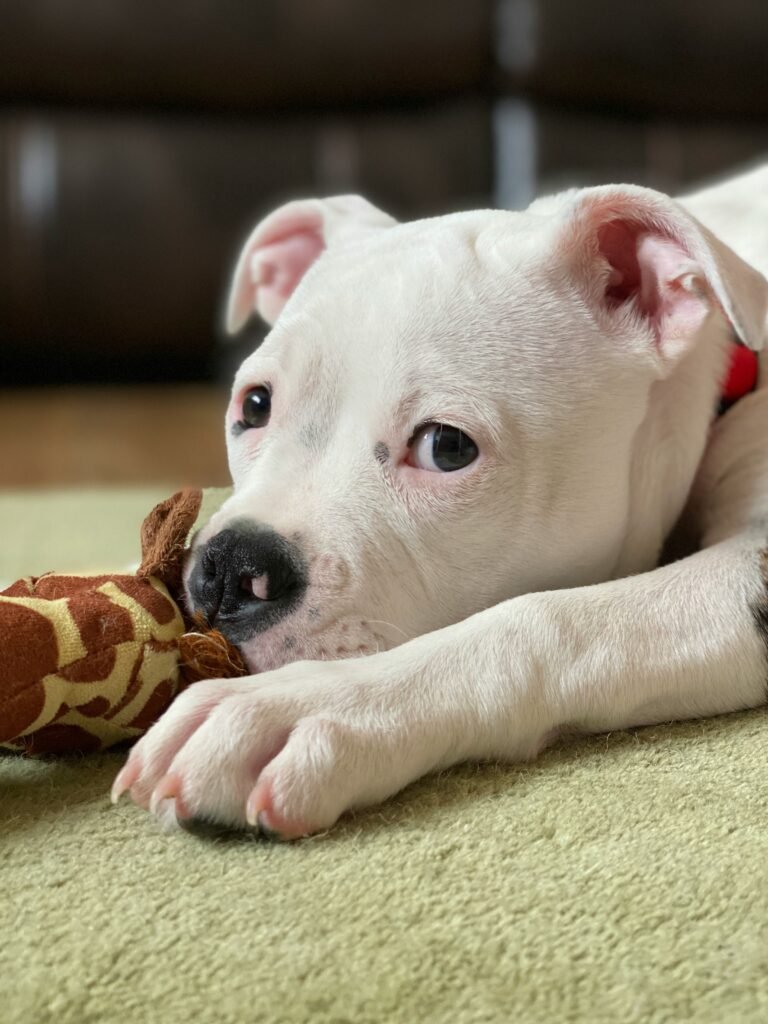
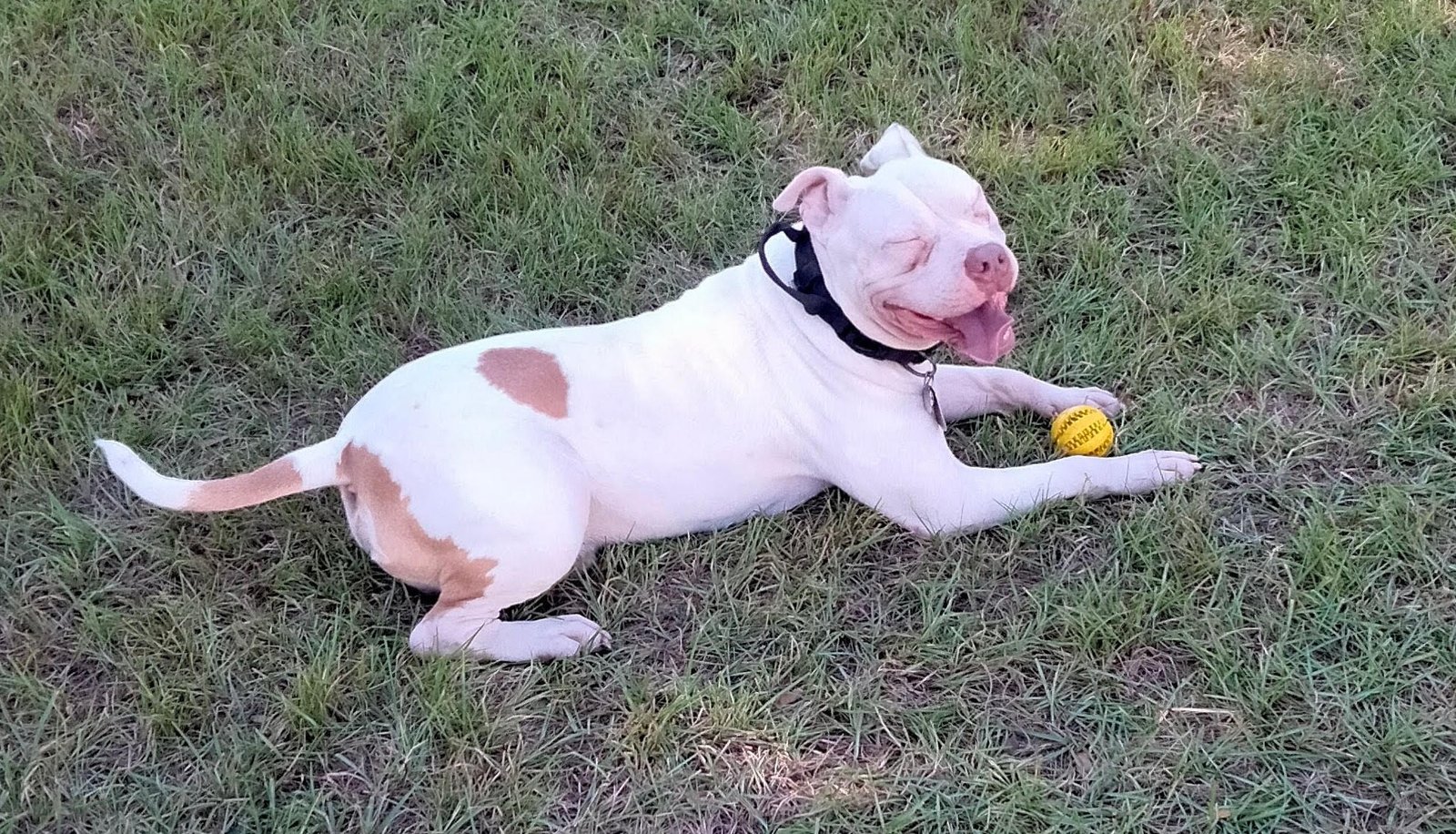
Chance is my American Bulldog mix and Mercy is my Pitbull Terrier — both big, muscular dogs with short snouts. Short-snouted breeds naturally breathe faster than longer-nosed dogs because their airways are slightly more compressed. Once I learned that, a lot of my worry disappeared. But I still pay attention, because fast breathing isn’t always nothing.
The afternoon I mentioned? Chance had been chasing squirrels in the backyard an hour before, and I hadn’t even noticed. His fast breathing made total sense once I connected the dots. Mercy, on the other hand, once breathed rapidly while sleeping and whimpering — she was clearly dreaming, legs twitching and everything. Both perfectly normal. Both scared me the first time.
Why Does My Dog Breathe Fast? The Most Common Causes
Reason 1 — They Just Exercised
The most obvious cause and the easiest to rule out. Dogs breathe fast after physical activity to bring oxygen into their muscles and cool down. Even if your dog stopped running an hour ago, their breathing rate can stay elevated while their body returns to baseline. With bully breeds and Pitbulls specifically, this recovery period can take longer than you’d expect.
What to watch: Breathing should return to normal within 10–30 minutes of rest. If it doesn’t, that’s worth noting.
Reason 2 — They’re Hot
Dogs don’t sweat the way we do. Rapid breathing — especially panting — is their primary way of releasing heat. On a warm day, after a walk, or even just lying in a sunny spot inside, your dog may breathe fast simply because they’re warm and working to cool down. This is the most common answer when you find yourself asking why does my dog breathe fast after a walk or play session.
What to do: Make sure they have access to fresh cool water and a shaded or air-conditioned space. A cooling mat can help on hot days — we’ve used one for Chance during summer and it made a noticeable difference. If your dog is breathing rapidly and seems distressed in the heat, that’s a heat exhaustion situation and needs immediate attention.
Reason 3 — Excitement or Stress
Dogs experience emotions physically. An excited dog greeting you at the door, a stressed dog at the vet, or an anxious dog during a thunderstorm can all breathe rapidly. This is your dog’s nervous system responding to stimulation — it’s normal, stress, and excitement are underrated answers to why does my dog breathe fast at rest.
What to watch: Does it happen in specific situations? That’s a pattern worth noting for your vet. Calming products like anxiety wraps or calming sprays have helped a lot of dog owners manage situational stress.
Reason 4 — They’re Dreaming
Dogs enter REM sleep just like humans do, and during that phase their breathing can get rapid, irregular, and sometimes accompanied by twitching legs or soft whimpers. This is completely normal and honestly one of the cutest things about having a dog.
What to do: Nothing. Let them dream. Don’t startle them awake — a dreaming dog can snap reflexively if woken suddenly.
Reason 5 — Pain or Discomfort
This one is easy to miss because dogs don’t always show pain obviously. Rapid breathing at rest, especially if your dog seems reluctant to move, is hunched, or is guarding a part of their body, can be a sign of pain. It’s the body’s stress response to something that hurts.
What to watch: Is the fast breathing paired with any behavior change? Reluctance to eat, move, or engage is a red flag alongside rapid breathing.
When to Call the Vet
Call your vet if fast breathing is accompanied by any of these:
- Pale, blue, or white gums
- Labored breathing with visible effort (stomach heaving, nostrils flaring)
- Lethargy or collapse
- Persistent rapid breathing at rest with no obvious cause
- Coughing alongside fast breathing
These can point to heart issues, respiratory problems, or internal bleeding — all of which need professional evaluation quickly.
According to VCA Animal Hospitals, a healthy resting dog breathes 15–30 times per minute — anything consistently above 40 at rest is worth a call to your vet
Frequently Asked Questions
Why does my dog breathe fast while resting? If your dog breathes fast at rest with no clear trigger, monitor it for 10–15 minutes. Persistent rapid breathing at rest is when you should call your vet
How fast should a dog breathe normally? A healthy resting dog breathes 15–30 times per minute. Anything consistently above 40 breaths per minute at rest is worth a call to your vet.
Is fast breathing different from panting? Yes. Panting is open-mouthed with the tongue out — it’s a cooling mechanism. Fast breathing with the mouth closed is a different pattern and more worth monitoring.
Do Pitbulls breathe faster than other dogs? Pitbulls and bully breeds can breathe slightly faster due to their build, but the normal range still applies. If you notice consistent rapid breathing at rest, mention it to your vet at your next visit.
Can anxiety cause fast breathing in dogs? Absolutely. Separation anxiety, noise phobia, and general anxiety can all cause rapid breathing. If it’s situational and consistent, talk to your vet about management options.
The Bottom Line
Most of the time, fast breathing in dogs is nothing to panic about. Exercise, heat, excitement, and dreams account for the vast majority of cases. The key is knowing your dog’s normal baseline so you can recognize when something feels off. Chance and Mercy have taught me that — once you know what’s normal for your specific dog, you’ll trust your gut a lot faster.
Curious about other unusual dog behaviors? Check out Why Does My Dog Lick My Feet?
Have questions about your dog’s breathing or behavior? Drop them in the comments — I read every one.