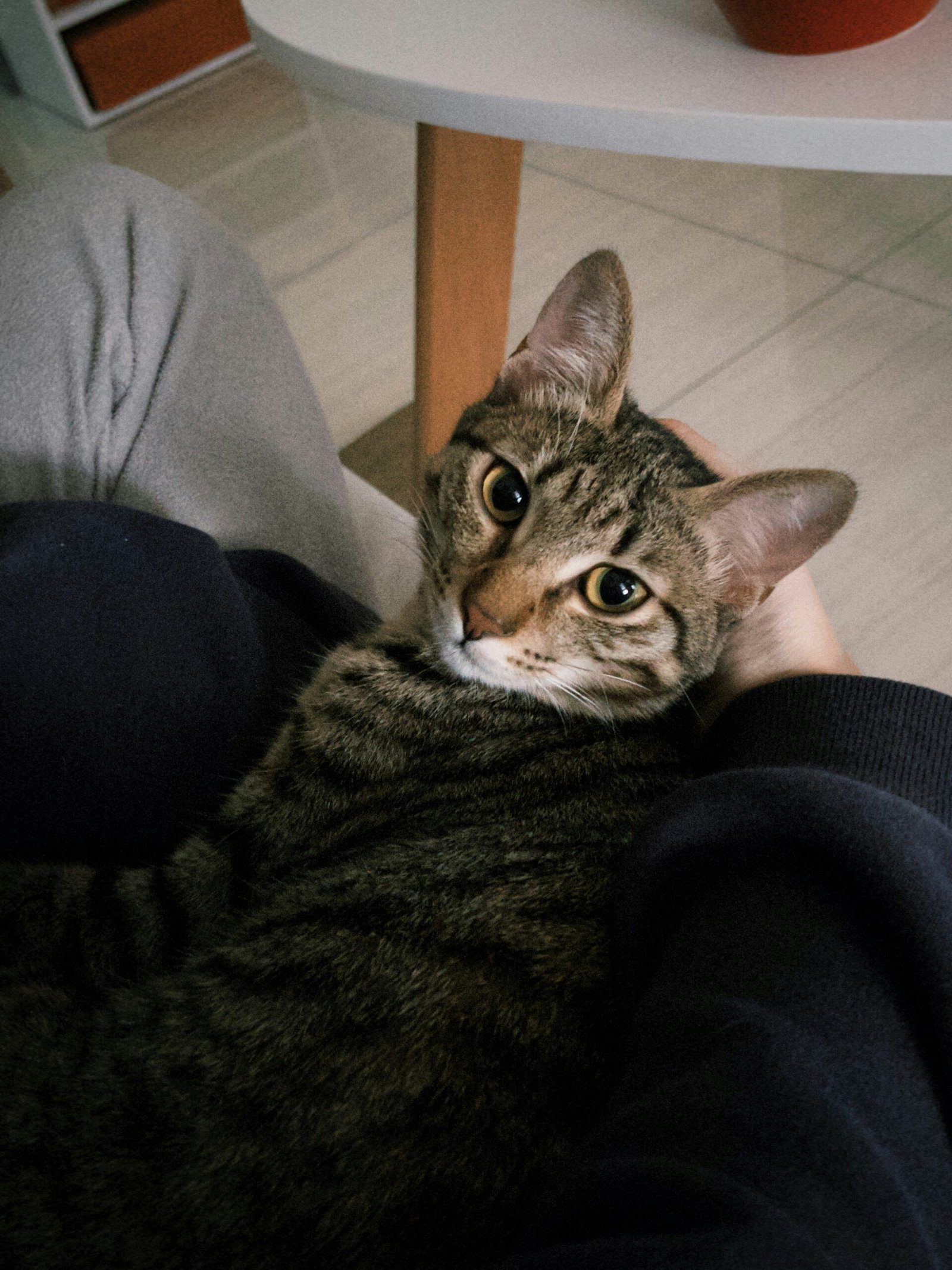
Why Does My Cat Lay on My Chest? 5 Surprising Reasons
This post contains affiliate links. I may earn a commission if you make a purchase at no extra cost to you.
You’re lying down, finally still, and within minutes your cat has materialized on your chest like they’ve been waiting for this exact moment. They knead a little, settle in, and stare at you like you’re the most interesting thing they’ve ever seen. You can barely breathe but you don’t dare move.
If you’ve ever wondered why does my cat lay on my chest every time you lie down, you’re not alone — and there’s a real reason behind it
Turns out there are real reasons behind it, and once you understand them, that weight on your chest hits a little differently.
Quick Answer
So why does my cat lay on my chest? Mainly because of warmth, your heartbeat, and the sense of safety your presence gives them. It’s also a bonding behavior — your cat is choosing you specifically. In most cases, it’s a sign of deep trust and affection, not just a comfort-seeking habit.
What Cat Owners Say About This
Cat owners asking why does my cat lay on my chest always get the same answer with slight variations: “She just loves me” or “He’s obsessed with me.” And they’re not wrong — but the reasons go deeper than simple affection.
In cat owner communities, this is one of the most talked-about behaviors, and the pattern is always the same: the cat picks one person, targets their chest specifically, and treats any attempt to move as a personal offense. That consistency isn’t random. Cats are deliberate creatures and where they choose to sleep tells you a lot about how they feel.
The reasons below explain what’s really driving it — and why your chest specifically, not your legs or the couch beside you.
Reason 1 — Your Body Heat
Cats run a higher body temperature than humans — around 102°F — which means they’re constantly seeking warmth to maintain it. Your chest is one of the warmest spots on your body, especially when you’re lying still and covered with a blanket.
This is also why cats tend to seek out laptops, sunny windowsills, and heating vents. They’re heat-seekers by nature. You’re essentially a walking, breathing heated surface — and when you lie down, you become the perfect warm platform.
If your cat doesn’t have access to a consistently warm spot when you’re not home, consider a self-warming cat bed — cats that sleep on their owners tend to love these during the hours you’re away.
Reason 2 — Your Heartbeat Is Soothing
This one surprises people but it makes complete sense once you hear it. Kittens spend their first weeks of life lying on or near their mother, where the heartbeat is a constant background sound. That rhythm becomes associated with safety, warmth, and comfort at the earliest stage of life.
When your cat lies on your chest, they can hear and feel your heartbeat — and for many cats, that’s a deeply calming sensation that takes them back to that first feeling of security. You’re not just warm. You’re familiar in a way that goes back to kittenhood.
This is especially common with cats who were adopted young or bottle-fed — they often bond to human heartbeats more strongly because you became the replacement for that early comfort.
Reason 3 — You’re Their Safe Person
Cats are selective about trust. They don’t just sleep anywhere — sleeping is vulnerable, and where they choose to sleep is a direct reflection of where they feel safest.
If your cat is sleeping on your chest, you are their safe person. Full stop. They’ve decided that of all the places in your home, on top of you is where they feel most protected. That’s not a small thing for an animal that’s wired to stay alert to threats.
Cat owners in online communities consistently note that their cats will choose the one person in the household they’re most bonded to — and that person almost always reports the cat sleeping on their chest specifically. If it’s you, you’ve earned their trust completely. It’s one of the clearest answers to why does my cat lay on my chest specifically — not the couch, not the floor, but you
Reason 4 — They’re Claiming You
Cats have scent glands on their face, paws, and body. When your cat kneads your chest before settling in, they’re not just getting comfortable — they’re marking you. Their scent is going on you, and that scent says to any other animal in the home: this human is mine.
This is a form of social bonding in cats. They mark the things and people they consider part of their territory — not aggressively, but affectionately. Your cat isn’t just resting on you. They’re integrating you into their world.
Multi-cat households often see this more intensely, with each cat competing to be the one sleeping on the owner’s chest. If you have more than one cat, you’ve probably experienced exactly this.
Reason 5 — Anxiety or Need for Closeness
Some cats sleep on their owners’ chests not just from affection but from anxiety — specifically separation anxiety or insecurity. These cats need physical closeness to feel regulated, and your breathing and heartbeat are actively calming to their nervous system.
Signs the chest-sleeping is anxiety-driven rather than purely affectionate: your cat follows you from room to room, cries when you leave, becomes distressed when you shift position or try to move, or sleeps on your chest exclusively at night when the house is quiet.
For cats with mild anxiety, a heated cat blanket can provide a similar warmth and comfort sensation during the hours you’re not home. For more significant anxiety, a conversation with your vet is worth it — there are pheromone diffusers and supplements that help.
When Should You Be Concerned?
In almost every case, a cat sleeping on your chest is completely normal and healthy. But here’s when to pay attention:
- Sudden change in behavior — if a cat that never slept on you suddenly starts doing it constantly, it can signal they’re not feeling well and seeking comfort
- Heavy, labored breathing while sleeping on you — could indicate respiratory issues worth checking
- Excessive clinginess paired with other symptoms — lethargy, not eating, hiding at other times — warrants a vet visit
- Weight loss paired with increased clinginess — sometimes hyperthyroidism or other conditions increase a cat’s need for warmth and closeness
Outside of those signs, why does my cat lay on my chest is almost always a question with a sweet answer — they simply love you.
Why does my cat lay on my chest?
Why does my cat lay on my chest and not anyone else’s?
You’re their person. Cats form strong individual bonds and pick one human as their primary attachment figure. That person gets the chest sleeping, the slow blinks, and the headbutts. Everyone else gets tolerated at best.
Is it okay to let my cat sleep on my chest?
Yes, in most cases. The main considerations are your own sleep quality and any allergies. If your cat is disrupting your sleep or you’re waking up congested, it’s okay to gently redirect them to a cat bed nearby — something warm and placed close to you works best for the transition.
Why does my cat knead my chest before lying down?
Kneading is a throwback to kittenhood — kittens knead their mother’s belly to stimulate milk flow. Adult cats carry this behavior forward as a comfort habit. When your cat kneads your chest, they’re in a deeply relaxed, content state. Take it as a compliment.
Why does my cat stare at me while lying on my chest?
Slow, relaxed eye contact from a cat is a sign of trust and affection. If they blink slowly, blink back — this is known as the “cat kiss” and it’s a real form of communication between cats and their owners.
Should I move my cat if I’m uncomfortable?
Yes, and don’t feel guilty about it. Gently slide them to the bed or couch beside you. Most cats will resettle nearby. Consistently offering a warm alternative — like a self-warming cat bed placed right next to where you sleep — helps them adjust without feeling rejected.
The Bottom Line
Why does my cat lay on my chest? Because you’re warm, familiar, and the safest place in their world. The heartbeat, the heat, the scent — it all adds up to you being the most comforting place in their world.
Cat owners who’ve never experienced it sometimes find it hard to believe how intentional it is. But anyone who’s had a cat settle onto their chest, start purring, and go completely limp knows exactly what it feels like. It’s one of the quieter, better parts of having a cat.
If it’s bothering your sleep, redirect gently with a warm alternative nearby. If it’s not — just let them have it.
Got a cat that does something you can’t explain? Drop it in the comments — I read every single one.
Related: Why Does My Dog Lick My Feet? (The Real Reason) — more on what your pet’s weird habits actually mean